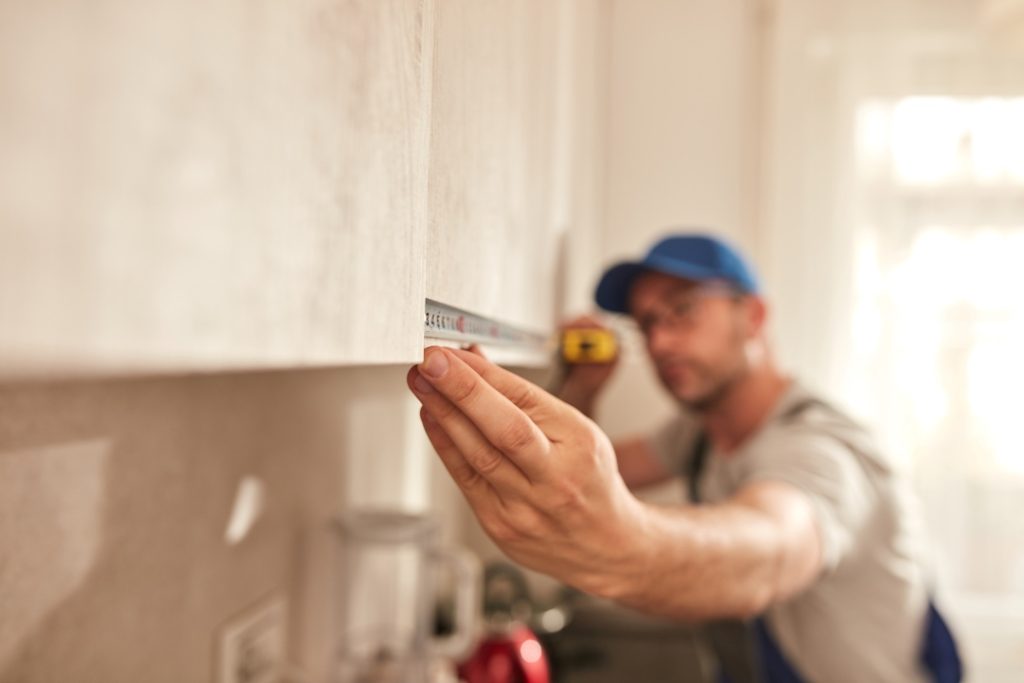
Cabinet Refinishing San Jose CA is an excellent option for homeowners with wood or MDF cabinets that are structurally sound but need a freshening up. Refinishing typically involves sanding the existing surface, applying filler to gouges and scratches, and camouflaging discolored areas.
However, refinishing is not appropriate for severely damaged cabinets. If your cabinets are displaying signs of microbial growth, repairs or replacement is necessary.
Water Damage
When a kitchen is damaged by water, it’s not always as easy to repair as you might think. Wood-finished cabinets rely on a protective topcoat to keep moisture out, but over time, that seal can wear thin. That’s when the real damage starts, as unprotected wood is prone to long-term deterioration. Painted finishes might offer more protection, but even they can begin to bubble, crack, and separate from the substrate. Cabinet refinishing might be able to fix minor swelling, replace the lost finish, and mask discolored areas with a stain camouflaging product, but if damage is severe or the cabinets are warped or split, replacement may be necessary.
The extent of the damage to your cabinets will depend on the type and class of the water loss. Class 1 water is non-toxic and has a relatively slow evaporation rate, while class 3 water contains unsanitary agents, harmful bacteria, or fungi, and can cause significant discomfort or illness.
Refinishing typically involves sanding the surface to remove any existing paint or stain, filling in deeper dents and gouges, and then staining the repaired area and sanding again. This process can take as little as a few days for a standard-size kitchen, but larger homes or those that are being refinished to a new color could extend the project to a few weeks.
Refinishing isn’t a DIY-friendly project, but enlisting professional assistance ensures that your cabinets are properly prepped and finished to provide long-lasting results. Refinishing is also more cost effective than cabinet refacing, and it doesn’t require the removal of existing countertops or any major structural modifications to your kitchen.
Scratches
Cabinet refinishing can be an excellent option for revitalizing cabinet doors and drawer fronts that have begun to show wear, fading or discoloration over the years. The process involves sanding down the existing sheen and applying a new stain or paint, transforming the appearance of your cabinets and giving your kitchen a much-needed facelift without the cost or disruption of a full replacement.
While refinishing is ideal for changing your cabinet color or finish, it does not address structural issues, misaligned or cracked doors, or dents and scratches. For a smooth, blemish-free result, you’ll need to address these problems before beginning refinishing work. For a simple fix, wood filler or putty can be used to fill in any chips and scratches, while sanding the entire surface of your cabinets with fine-grit sandpaper will help to smooth out these imperfections and make them less noticeable.
A fresh coat of stain can enhance the natural grain of your wood cabinets and add rich, warm color tones to your kitchen. It’s important to note that stains require proper preparation, as they seep into the wood grain rather than sitting on top of it. Stains are also not suitable for medium-density fiberboard (MDF) or high-density fiberboard (HDF), as these materials lack the natural grain that staining highlights.
While a full cabinet replacement is undeniably transformative, it’s an invasive process that can leave your kitchen unusable for weeks or longer, as well as require the services of contractors like plumbers and electricians to relocate or replace fixtures and appliances. Refinishing, on the other hand, is much less invasive and can be completed in days to a week, so you can return to your daily routine more quickly and enjoy your refreshed kitchen.
Dents
Cabinets are often the focal point of any kitchen, and they can begin to show signs of wear and tear over time. Rather than replacing them, homeowners can choose to revitalize their cabinets by refinishing them. Refinishing offers numerous benefits over replacement, including cost savings and reduced environmental impact.
The cabinet refinishing process involves thoroughly cleaning and preparing the cabinets before applying a new finish. This includes removing hardware, sanding down the surfaces to create a smooth base, and addressing any needed repairs. Once the cabinets are prepared, they can be refinished using a variety of products, such as primer and paint.
A new coat of finish protects cabinets from damage and makes them easier to clean. It can also help protect against food stains, water damage, and scratches. Many homeowners choose to refinish their kitchen cabinets because they want to give them a fresh new look without the expense of replacing them.
While refinishing is a quick and easy way to change the appearance of your kitchen, it’s important to work with a professional to ensure a high-quality job. It’s also important to avoid using harsh chemical cleaners, which can strip the finish and lead to discoloration over time.
When dealing with dents, it’s best to use wood filler that is compatible with your cabinet material. It can be applied to the affected area and sanded down once it’s dry, and it can be used to repair deep dents and gouges in cabinet door and drawer fronts.
Refinishing is a more environmentally-friendly alternative to replacement, as it reduces the amount of waste generated by discarded cabinetry. It also eliminates the need for additional materials and labor that come with a full replacement project. In addition, refinishing can be completed in less time than a complete replacement, which can reduce the amount of time your kitchen is out of commission.
Repairs
Even the best cabinet paint jobs can only hold up to so much. Nicks and scratches begin to appear within a few years, especially in high-use areas like the door handles. You can quickly address these issues with cabinet touch-ups, but if you’re nearing the 10-year mark and seeing more wear than you’d like, consider cabinet refacing instead. This option provides a dramatic upgrade and comes with long-lasting durability, making it a smart investment for your kitchen.
To prepare your cabinets for painting or staining, remove any hardware and wipe them clean. Use a gentle cleaner formulated for wood to make sure the surface is free of dirt, grease, and grime. Sanding the surfaces lightly is also important to smooth out any damaged spots and ensure your new finish bonds properly. Once the sanding is complete, be sure to wipe away all remaining dust to ensure your newly painted or stained cabinets stay beautiful and smooth.
If you notice a problem with your hinges, or the doors seem to bang loudly when you open and close them, you may have stripped screw holes. This can happen when you tighten a screw too many times, or it can simply be a result of age and wear. You can fix this by replacing the screws, or you can fill in the stripped hole with wood glue and a toothpick.
Proper maintenance is important for extending the life of your refinished cabinets. Regularly wiping surfaces with a dry cloth will keep dust and dirt from building up, and mild soap and water can help tackle more stubborn stains and grime. Be careful when using cleaning products, though—strong chemicals can strip the surface and cause discoloration. Always test any cleaner on a small, hidden area before applying it to your cabinets.
Replacement
Cabinets are an important part of any kitchen, serving multiple purposes including maximizing storage and enhancing appearance. But like any stationary furniture in your home, cabinets can be subject to a bit of wear and tear over time. If your cabinets are damaged to the point where they negatively impact the look and function of your kitchen, then it may be time for replacement.
Whether you’re considering refacing or replacing, it’s a good idea to have your cabinet damage assessed by a professional before making any decisions. The expert can tell you if the damage is something that can be repaired with refinishing or if it’s better to replace the entire cabinet.
Refacing isn’t ideal for cabinets that are heavily damaged, as it only focuses on giving the exterior a facelift. In order for refacing to be successful, the frame must be structurally sound. If the frames are warped, cracked, or compromised in any way, then it may not be able to support new veneers and doors without causing further damage.
On the other hand, if your cabinet frames are still in great condition but the doors and drawer fronts need a refresh, then refinishing can provide an excellent solution. Cabinet refinishing can be used to transform the look of cabinets by changing the color or stain, as well as tackle touch-ups and repairs at the same time.
Cabinet refinishing can also be used to change the overall look of your cabinets, which is particularly useful for homeowners who want a more contemporary or modern design. If you’re looking for a lighter wood tone, bolder colors, or even a two-toned cabinet color scheme, our talented technicians can help!